


-

Add: HeBei ShengShi HongBang Cellulose Technology CO.,LTD.
-

Email
13180486930@163.com -

CONTACT US
+86 13180486930




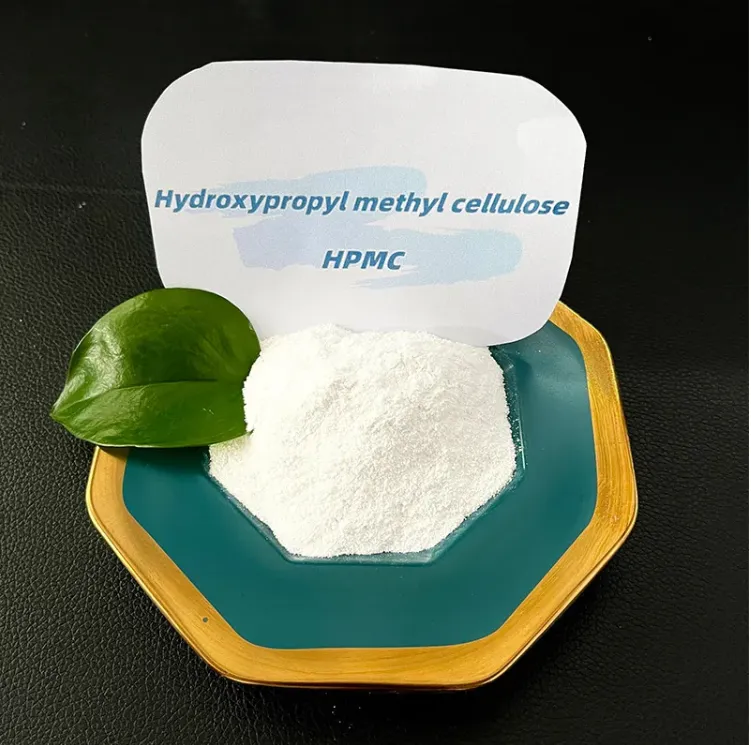
Exploring the HPMC Chemical Structure A Scientific Perspective The chemical structure of Hydroxypropyl Methylcellulose (HPMC) is not just a complex arrangement of atoms, but a profound synthesis of chemical engineering that finds application in various industries ranging from pharmaceuticals to construction. As science delves deeper, the intricate design of HPMC offers insights into its versatile functionalities, underscoring a narrative of innovation and reliability. Hydroxypropyl Methylcellulose is a cellulose derivative, notable for its amphiphilic properties which allow it to act as a water-soluble polymer. This unique characteristic stems from its chemical backbone—a result of both methyl and hydroxypropyl groups attached to the anhydroglucose units of cellulose. Every molecule of HPMC possesses a repeating structure that enhances its utility by maintaining a balance of hydrophilic and lipophilic elements. This duality in its molecular architecture is what empowers its diverse applicability in modern industries. In the realm of pharmaceuticals, HPMC's chemical structure renders it an indispensable excipient . The polymer serves as an ideal choice for controlled drug release formulations. Its hydrophilic matrix forms a gel barrier around the active ingredient, modulating the drug's release rate based on hydration dynamics. This meticulous delivery mechanism is crucial for maintaining therapeutic levels of medication over extended periods, attesting to the sophisticated engineering infused in its molecular design. hpmc chemical structure Moreover, HPMC's valor does not solely stem from its physicochemical properties but also its biocompatibility and non-ionic behavior. It is inert and exhibits minimal interaction with other substances, which makes it safe for consumption and utilization in medical formulations. Consequently, the high degree of trust placed in HPMC is built on a foundation of extensive scientific validation and regulatory approvals across healthcare frameworks globally. In food technology, HPMC's chemical structure confers remarkable emulsifying, stabilizing, and thickening abilities. These functionalities are especially harnessed in the production of gluten-free and reduced-fat foods. Its thermal gelation property—wherein it forms a gel at elevated temperatures and returns to solubility upon cooling—can be attributed to the specific arrangement and substitution of hydroxyl and methoxyl groups, facilitating texture modulation in diverse culinary applications. HPMC also assumes a critical role in the construction industry, where its chemical structure influences the properties of cement and plaster mixes. It enhances water retention, workability, and open time, crucial for ensuring durable and robust construction outcomes. The polymer’s viscosity-building and binding qualities simplify application on surfaces, making brushing, spraying, or roller application efficient and uniform. These benefits highlight HPMC’s contribution to improved performance and cost-effectiveness in building materials. The authoritative stature of HPMC in multiple domains is not merely a testament to its adaptability but to the scientific expertise that continues to delve into and broaden its potential. Future research may further refine its chemical structure for specific applications, paving the way for novel innovations that leverage this compound’s capabilities. Thus, HPMC stands as a paradigm of chemical engineering success—a story of how meticulous structural design can yield significant benefits across disparate fields of human endeavor.
- 40000tons

Production
- 20+years

Experience
- 5000+㎡

Acreage

-
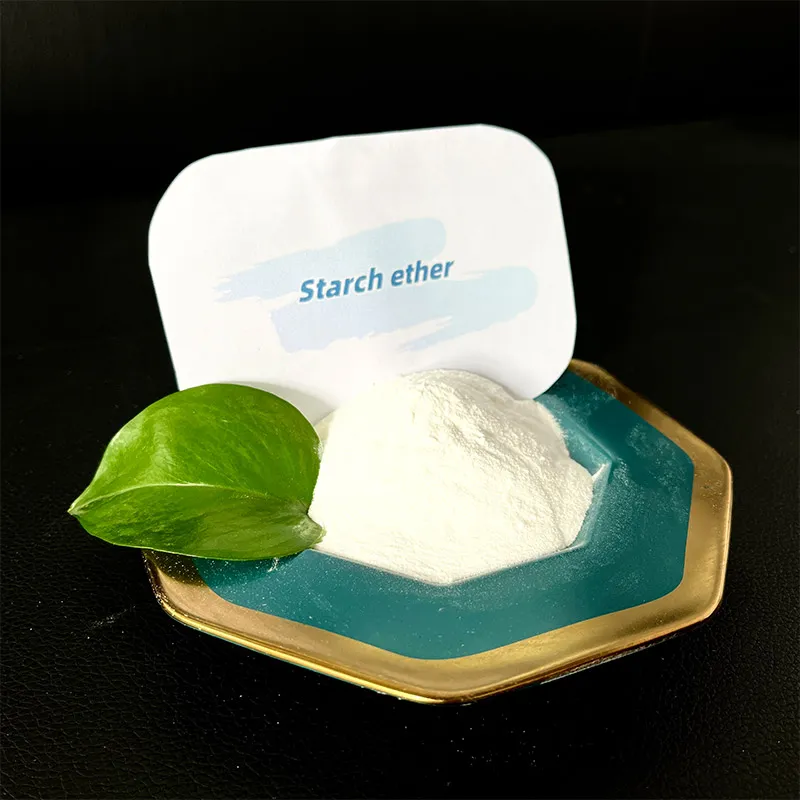
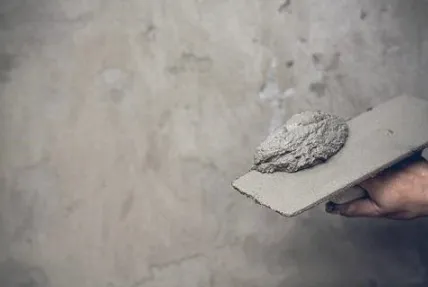
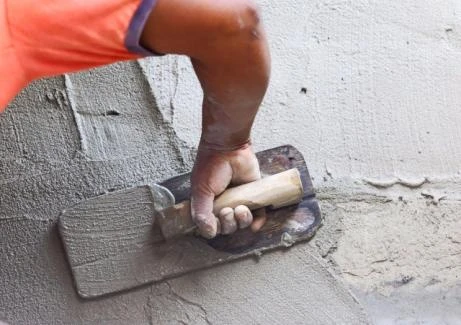
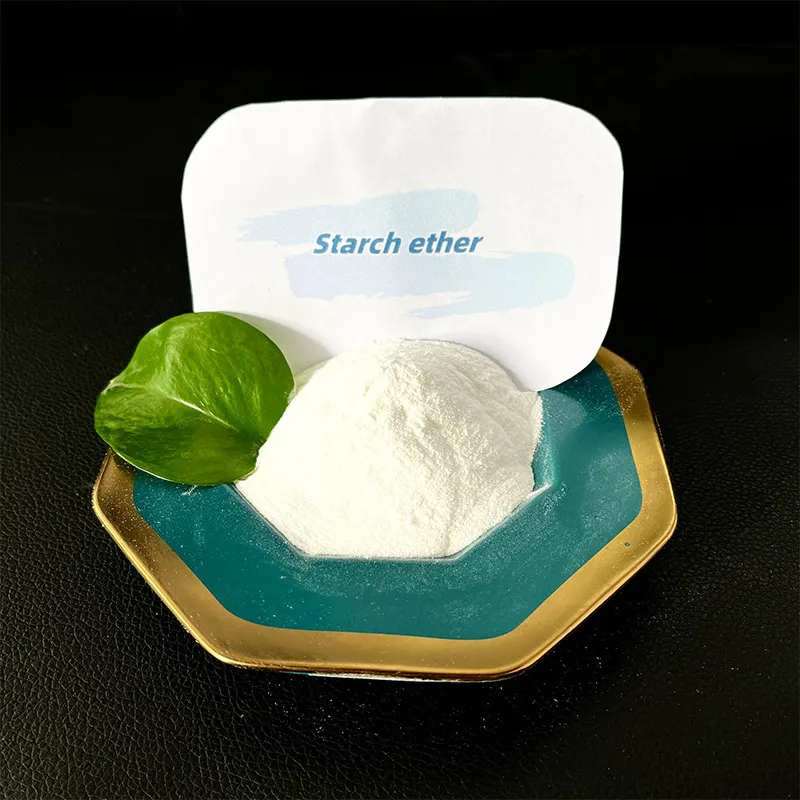
In today’s industrial and personal care sectors, raw materials must deliver more than just functionality—they must offer versatility, cost-efficiency, and environmental compatibility. Among these materials, modified starch types have gained prominence for their wide-ranging applications in construction, coatings, adhesives, and cosmetic formulations. Unlike native starches, modified starches undergo physical, enzymatic, or chemical treatments that enhance their stability, solubility, and performance under different environmental conditions. There are various modified starch types used in industry: oxidized starch, cationic starch, hydroxypropyl starch, and crosslinked starch, among others. Each type offers distinct properties that suit different use cases. For example, oxidized starch is valued in the paper and textile industry for its improved film-forming ability, while cationic starch is favored in wastewater treatment and as a retention aid. Hydroxypropyl starch shows excellent compatibility with surfactants and is widely used in the personal care sector for thickening shampoos and conditioners. In the construction field, modified starch types act as efficient water-retention agents, rheology modifiers, and anti-sagging agents, especially in dry-mix mortars and tile adhesives. The ability of modified starches to control workability and enhance adhesion makes them indispensable for ensuring product performance in various environmental conditions. What sets modified starches apart is their adaptability. Whether incorporated into a facial mask formulation or a cementitious compound, the same base material can be engineered to meet highly specific application goals. Their bio-based origin also contributes to sustainability goals, making them increasingly relevant in today’s environmentally conscious market. Starch Ether: A Functional Additive Transforming Construction Materials Among the modified starch types , starch ether stands out as one of the most valuable derivatives for the construction industry. It is primarily used as a thickener, stabilizer, and water retention agent in cement-based and gypsum-based materials. Whether in tile adhesives, skim coats, self-leveling underlays, or exterior insulation systems, starch ether significantly improves workability and performance. The incorporation of starch ether enhances the open time of plasters and adhesives, ensuring better application and correction capabilities. It prevents segregation, provides a smooth texture, and reduces cracking by maintaining consistent moisture levels. This is especially important in high-temperature or low-humidity environments where premature drying can lead to inferior bonding or surface defects. In dry-mix mortar systems, starch ether is used in combination with cellulose ethers to optimize viscosity and anti-slump behavior. Its efficiency at low dosages makes it a cost-effective choice for manufacturers seeking performance without a significant increase in formulation costs. The personal care industry also benefits from starch ether in products such as body powders, facial masks, and emulsions. It enhances the texture and sensory feel of the product, offering a natural alternative to synthetic polymers while improving spreadability and consistency. As industries push toward multifunctional ingredients, starch ether continues to offer a practical and economical solution for both formulation efficiency and product performance, especially in applications where flow control and water retention are crucial. Starch Ether China: Global Supply Hub for High-Performance Industrial Starches When discussing high-quality and competitively priced starch ether , it's impossible to ignore the central role of starch ether China in the global supply chain. Chinese manufacturers have become leading players in the production and innovation of industrial-grade starch ether, supplying to regions across Europe, Southeast Asia, the Middle East, and beyond. The growth of starch ether China is attributed to several factors: abundant raw material availability, advanced production technologies, and a strong export infrastructure. Manufacturers in China offer diverse specifications tailored to customer needs, including varying degrees of substitution, moisture content, and granule size. This flexibility makes them an ideal partner for businesses seeking customized formulations. Many of these producers adhere to international quality standards, including ISO, REACH, and SGS certifications. Their products meet the rigorous demands of industries such as construction, coatings, and personal care, ensuring batch consistency and reliable performance. Moreover, Chinese suppliers often provide technical support and R&D services, helping customers achieve optimal results with their formulations. The rapid development of starch ether China is also driven by its integration into large-scale infrastructure and housing projects domestically. This fosters constant innovation, allowing Chinese manufacturers to stay ahead of the curve in terms of application performance, sustainability, and economic feasibility. By sourcing from starch ether China , global buyers can reduce procurement costs without compromising on product quality—a key advantage in today’s competitive markets. Navigating the Starch Ether Price Landscape: What to Know Before Buying Understanding the dynamics of starch ether price is critical for procurement teams and product developers alike. The price of starch ether can vary based on several factors, including raw material costs (typically corn or tapioca), processing technologies, production scale, and the degree of chemical modification. On average, starch ether price ranges between $1.50 to $3.00 per kilogram in bulk, depending on the quality and performance requirements. Higher grades with specialized properties—such as enhanced viscosity, improved dispersibility, or compatibility with specific polymers—typically command a premium. Freight charges, tariffs, and certifications can also impact final pricing. However, it's not always about finding the cheapest option. Instead, buyers should focus on price-performance ratio. A slightly higher starch ether price may offer superior efficiency, requiring lower dosages and resulting in better application outcomes. This is especially true in dry-mix systems, where stability, water retention, and anti-sagging are non-negotiable. Starch ether sourced from leading starch ether China manufacturers often provides a good balance between cost and performance. Many suppliers offer tiered pricing based on order quantity, with flexible terms for long-term partnerships. Additionally, working directly with manufacturers allows for tailored grades, which can reduce over-specification and further lower overall formulation costs. Before purchasing, always request technical data sheets, samples for testing, and trial formulas to assess actual performance. This ensures you are not only getting the right starch ether price , but also the right product for your intended application. Why Modified Starch Types and Starch Ether Are Essential in Industrial Formulations Choosing the right modified starch types or starch ether depends on a clear understanding of your industry’s requirements. For construction materials, these starch derivatives play a vital role in improving workability, adhesion, and longevity. In personal care, they contribute to texture, moisture retention, and product stability—all essential for consumer satisfaction. With the growing demand for sustainable and high-performance materials, the role of modified starch types and starch ether is set to expand across industries. Whether you’re sourcing from starch ether China or analyzing the best starch ether price , investing in the right product ensures consistent performance and customer satisfaction. starch ether FAQs What are the main applications of modified starch types in industry? Modified starch types are widely used in construction, textile, paper, adhesive, and personal care industries. In construction, they enhance water retention, rheology, and workability of dry-mix mortars and plasters. In personal care, they act as thickeners and stabilizers for creams, lotions, and powders. They are not used in food or pharmaceutical applications in this context. How does starch ether improve the performance of construction materials? Starch ether enhances workability, consistency, and open time in cement and gypsum-based applications. It helps maintain moisture within the mortar, preventing premature drying and cracking. When used with cellulose ethers, it further improves anti-slump and anti-sagging properties, which is crucial in vertical applications like wall plaster and tile adhesive. Why is starch ether China a preferred source for global buyers? Starch ether China producers offer high-quality, cost-effective materials with excellent customization options. Their large production capacity, adherence to international standards, and technical support make them ideal for global importers. Additionally, their ability to offer tailored formulations helps meet specific industrial requirements. What factors affect starch ether price in the market? Several variables influence starch ether price , including raw material costs, processing technology, product grade, order volume, and shipping fees. Customized grades or special packaging can also impact pricing. While cheaper products are available, it’s important to evaluate performance to ensure long-term cost efficiency. Can modified starch types and starch ether be used in food or pharmaceutical applications? No, the modified starch types and starch ether discussed here are strictly for industrial and personal care use. They are not processed or certified for consumption or medicinal use. Always ensure that the starch product you purchase matches the regulatory and safety standards of your intended application field.
-
Starch ether is a versatile and eco-friendly compound derived from natural starch sources, widely used in industries ranging from construction to pharmaceuticals and food. As a functional additive, starch ether offers outstanding benefits such as improved viscosity, stability, and water retention. Whether you're looking to enhance the texture of a product or improve its performance under challenging conditions, starch ether is the perfect choice. Known for its renewable nature and excellent functional properties, starch ether is essential for creating high-quality formulations in various sectors. Unlock the potential of starch ether and elevate your products today. Explore the Versatility of Starch Ether Uses Across Industries Starch ether uses span across a variety of industries, making it a highly sought-after ingredient for a range of applications. In the construction industry, starch ether is used as a thickener and binder in products such as adhesives, paints, and tile grouts, enhancing their workability, water retention, and adhesion properties. In the pharmaceutical and food industries, starch ether is often used as a stabilizer, emulsifier, or binder, helping to improve the consistency and shelf-life of products. The versatility of starch ether makes it an essential ingredient for numerous formulations, ensuring top-notch performance in everything from personal care products to industrial coatings. Find Competitive Starch Ether Price for Your Business When sourcing starch ether , finding a supplier that offers the best starch ether price is crucial for maintaining your business’s profitability. We offer highly competitive starch ether price options that suit your specific needs and budget, whether you're purchasing in bulk for large-scale production or in smaller quantities for niche applications. Our transparent pricing ensures you get the best value without compromising on quality, allowing you to incorporate starch ether into your formulations at a cost-effective price point. Get in touch with us today to learn more about our affordable starch ether price and how we can help optimize your business. Work with Trusted Starch Ether Manufacturers for Quality You Can Rely On Choosing the right starch ether manufacturers is key to ensuring that you receive high-quality, reliable products. As one of the leading starch ether manufacturers , we provide premium products that meet rigorous industry standards. Our starch ether is manufactured using advanced technology, ensuring consistency and excellent performance across a wide range of applications. We take pride in our commitment to quality, providing you with products that are made with care and precision. By partnering with reputable starch ether manufacturers like us, you can be confident that you're getting the best product for your business needs. Why Choose Us for Your Starch Ether Needs? When it comes to sourcing starch ether , we are the trusted partner you can rely on. We offer high-quality starch ether at competitive prices and cater to a wide variety of industries, from construction and pharmaceuticals to food and personal care. As experienced starch ether manufacturers , we deliver products that meet your exact specifications, ensuring your formulations achieve optimal performance. With our commitment to sustainability, excellent customer service, and fast, reliable shipping, we are your go-to source for all your starch ether needs. Choose us and experience the difference in quality, value, and service.
advantages
-

200000 Viscosities
Excellent product
We can produce pure products up to 200,000 viscosities
-

40000 tons
High yield
We don’t stop production all year round, and the annual output can reach 40,000 tons
-

24 hours
Quality service
We provide 24-hours online reception service, welcome to consult at any time
———— Inquiry Form
Schedule A services



-
 hpmc_chemical_uses
Oct . 25, 2025
Polypropylene Fibers for Sale An Overview In the world of textiles and materials, polypropylene fibe -
 hps
hpsOct . 25, 2025
In the vast landscape of chemical manufacturing, Hydroxypropyl Methylcellulose (HPMC) stands out as -
 nylon_is_artificial_fibre
Oct . 25, 2025
Hydroxypropyl methylcellulose (HPMC) is widely recognized in the realm of product formulation, parti


